olive
от hatemben ·
Опубликовано: 2025-10-22 13:42:11
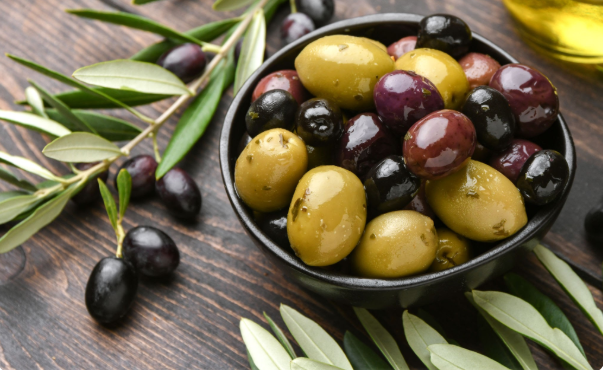
The Olive: A Timeless Tree, Liquid Gold, and Culinary Staple
The olive tree is one of the oldest cultivated fruit trees in the world, with its history dating back thousands of years. References to the olive, its fruit, and its oil are found in ancient texts, mythology, and religious scriptures, underscoring its profound importance to ancient civilizations.
Origins and History
Ancient Roots: The wild olive, or oleaster, is native to Asia Minor and the Levant (the Eastern Mediterranean). Archaeological evidence suggests that the domestication and cultivation of the olive tree began in this region, possibly between 6,000 and 8,000 years ago, making it one of the first fruit trees successfully domesticated by humans.
Mediterranean Spread: From the Eastern Mediterranean, cultivation spread westward. The Phoenicians played a significant role in disseminating the olive throughout the Mediterranean, including to the Greek Isles, North Africa, Spain, and Italy.
Cultural Significance: In ancient Greece, the olive tree was considered sacred, a symbol of peace, victory, and wisdom. Homer famously called olive oil "liquid gold," and Hippocrates referred to it as "the great healer." The Romans further expanded olive cultivation throughout their empire, using the oil for food, fuel (in lamps), medicine, and cosmetics.
The Olive Tree and Fruit
The Tree: The olive tree is a subtropical evergreen known for its longevity; some trees are reputed to be thousands of years old. It is incredibly hardy, resistant to drought, and can thrive in poor, stony soils, making it perfectly suited to the Mediterranean climate.
The Fruit: Botanically, the olive is a drupe (a stone fruit) related to cherries, peaches, and almonds. The fruit starts green and progresses through shades of pink and purple before fully ripening to dark black.
Inedibility of Fresh Olives: Freshly picked olives are extremely bitter due to the presence of a phenolic compound called oleuropein. They must undergo a curing or processing treatment—such as brining, lye treatment, or dry-salting—to become palatable and turn into the table olives consumed around the world.
Uses and Products
The olive tree's products have been central to the Mediterranean economy and diet for millennia.
Olive Oil:
Approximately 90% of the world's olive harvest is used to produce olive oil.
It is a key component of the Mediterranean diet, valued for its high content of monounsaturated fat (mainly oleic acid) and powerful antioxidants.
Olive oil grades include Extra Virgin, Virgin, and various refined grades, with Extra Virgin Olive Oil (EVOO) being the highest quality, extracted purely by mechanical means without heat or chemical solvents.
Table Olives:
The remaining 10% is processed as table olives for direct consumption.
They are enjoyed in salads, spreads (like tapenade), appetizers, and main dishes.
Other Uses:
Historically, the oil has been used for lamp fuel, soap-making, and ritual anointing.
Olive wood is highly valued for its durability and beautiful grain, used in fine carpentry and handicrafts.
Olive leaves are used in traditional medicine for their health benefits, primarily due to their high concentration of antioxidants like oleuropein
The olive tree is one of the oldest cultivated fruit trees in the world, with its history dating back thousands of years. References to the olive, its fruit, and its oil are found in ancient texts, mythology, and religious scriptures, underscoring its profound importance to ancient civilizations.
Origins and History
Ancient Roots: The wild olive, or oleaster, is native to Asia Minor and the Levant (the Eastern Mediterranean). Archaeological evidence suggests that the domestication and cultivation of the olive tree began in this region, possibly between 6,000 and 8,000 years ago, making it one of the first fruit trees successfully domesticated by humans.
Mediterranean Spread: From the Eastern Mediterranean, cultivation spread westward. The Phoenicians played a significant role in disseminating the olive throughout the Mediterranean, including to the Greek Isles, North Africa, Spain, and Italy.
Cultural Significance: In ancient Greece, the olive tree was considered sacred, a symbol of peace, victory, and wisdom. Homer famously called olive oil "liquid gold," and Hippocrates referred to it as "the great healer." The Romans further expanded olive cultivation throughout their empire, using the oil for food, fuel (in lamps), medicine, and cosmetics.
The Olive Tree and Fruit
The Tree: The olive tree is a subtropical evergreen known for its longevity; some trees are reputed to be thousands of years old. It is incredibly hardy, resistant to drought, and can thrive in poor, stony soils, making it perfectly suited to the Mediterranean climate.
The Fruit: Botanically, the olive is a drupe (a stone fruit) related to cherries, peaches, and almonds. The fruit starts green and progresses through shades of pink and purple before fully ripening to dark black.
Inedibility of Fresh Olives: Freshly picked olives are extremely bitter due to the presence of a phenolic compound called oleuropein. They must undergo a curing or processing treatment—such as brining, lye treatment, or dry-salting—to become palatable and turn into the table olives consumed around the world.
Uses and Products
The olive tree's products have been central to the Mediterranean economy and diet for millennia.
Olive Oil:
Approximately 90% of the world's olive harvest is used to produce olive oil.
It is a key component of the Mediterranean diet, valued for its high content of monounsaturated fat (mainly oleic acid) and powerful antioxidants.
Olive oil grades include Extra Virgin, Virgin, and various refined grades, with Extra Virgin Olive Oil (EVOO) being the highest quality, extracted purely by mechanical means without heat or chemical solvents.
Table Olives:
The remaining 10% is processed as table olives for direct consumption.
They are enjoyed in salads, spreads (like tapenade), appetizers, and main dishes.
Other Uses:
Historically, the oil has been used for lamp fuel, soap-making, and ritual anointing.
Olive wood is highly valued for its durability and beautiful grain, used in fine carpentry and handicrafts.
Olive leaves are used in traditional medicine for their health benefits, primarily due to their high concentration of antioxidants like oleuropein