Myrtille
от hatemben ·
Опубликовано: 2025-10-25 16:25:20
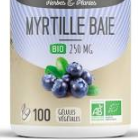
Description: The common blueberry (Vaccinium myrtillus) is a small shrub. The cultivated variety, often called "Bleuet" (or "blueberry" in English) is larger, more fleshy, and can reach up to 2 meters in height. "Myrtille" can refer to both the fruit and the plant.
Nutritional Value and Benefits: Blueberries are known as a nutritional treasure. They are:
One of the least caloric and least sugary berries.
Rich in antioxidants, particularly anthocyanins (the pigments responsible for their color) and flavonoids, which combat free radicals and oxidative stress.
Contain vitamins (C, E, K), fibers, tannins, and oligoelements (potassium, magnesium).
Health Properties: Folklore attributes many benefits, some of which are scientifically attested:
Antioxidant and anti-inflammatory: Help protect against cell degradation and degenerative diseases.
Cardiovascular health: Polyphenols have cardio- and vasculo-protective properties, can reduce hypertension, and may prevent the oxidation of "bad" (LDL) cholesterol.
Ocular protection: Anthocyanins and certain flavonoids like quercetin protect eye cells against blue light and UV rays. They also help regenerate rhodopsin, improving visual acuity in low light.
Digestive relief: They have digestive and astringent properties, used traditionally to soothe enteritis, infectious diarrhea, and vomiting.
Urinary health: Similar to cranberries, they may inhibit the adhesion of bacteria to the bladder walls, reducing the risk of cystitis.
Cognitive benefits: Studies in rats suggest a potential to restore memory, but this effect in humans is still being investigated.
Consumption: Blueberries can be eaten in various forms: raw, cooked, dried, or transformed (jams, tarts, etc.).
Cultivation:
Requires full sun or semi-shade and a specific growing technique, including pruning older branches (which produce for only 3-4 years).
Harvesting the French variety generally occurs between June and August.
It is considered a good fruit for organic or sustainable farming as it requires few interventions
Nutritional Value and Benefits: Blueberries are known as a nutritional treasure. They are:
One of the least caloric and least sugary berries.
Rich in antioxidants, particularly anthocyanins (the pigments responsible for their color) and flavonoids, which combat free radicals and oxidative stress.
Contain vitamins (C, E, K), fibers, tannins, and oligoelements (potassium, magnesium).
Health Properties: Folklore attributes many benefits, some of which are scientifically attested:
Antioxidant and anti-inflammatory: Help protect against cell degradation and degenerative diseases.
Cardiovascular health: Polyphenols have cardio- and vasculo-protective properties, can reduce hypertension, and may prevent the oxidation of "bad" (LDL) cholesterol.
Ocular protection: Anthocyanins and certain flavonoids like quercetin protect eye cells against blue light and UV rays. They also help regenerate rhodopsin, improving visual acuity in low light.
Digestive relief: They have digestive and astringent properties, used traditionally to soothe enteritis, infectious diarrhea, and vomiting.
Urinary health: Similar to cranberries, they may inhibit the adhesion of bacteria to the bladder walls, reducing the risk of cystitis.
Cognitive benefits: Studies in rats suggest a potential to restore memory, but this effect in humans is still being investigated.
Consumption: Blueberries can be eaten in various forms: raw, cooked, dried, or transformed (jams, tarts, etc.).
Cultivation:
Requires full sun or semi-shade and a specific growing technique, including pruning older branches (which produce for only 3-4 years).
Harvesting the French variety generally occurs between June and August.
It is considered a good fruit for organic or sustainable farming as it requires few interventions