Kumquat
di hatemben ·
Pubblicato: 2025-11-05 22:57:44
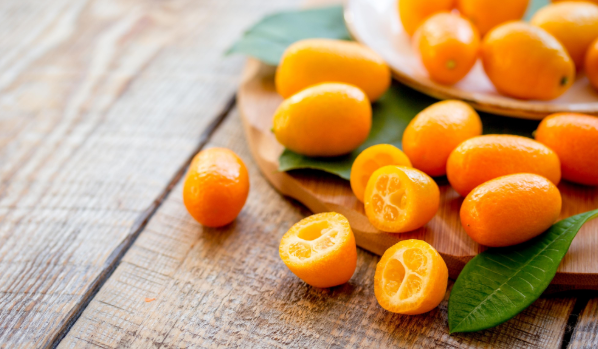
Fruit Appearance and Size: The fruit is small (about the size of a large olive or grape), oval or round, and bright yellowish-orange.
Edibility: Kumquats are unique among citrus fruits because they are typically eaten whole, peel and all.
The peel is the sweetest part of the fruit.
The pulp is tart/sour.
Eaten together, they provide a distinct, refreshing sweet-tart flavor contrast.
Origin: The kumquat plant is native to Southern China, with historical references dating back to at least the 12th century. The name comes from the Cantonese words gam gwat, meaning "golden orange" or "golden tangerine."
Cultivation:
Kumquat trees are evergreen shrubs or trees that can reach 8 to 15 feet in height.
They are known for being cold-hardy compared to other citrus plants.
They are cultivated in subtropical regions, including parts of China, Japan, India, Southeast Asia, the Mediterranean, Florida, and California.
Nutritional Benefits: Kumquats are a good source of:
Vitamin C: Often cited as being rich in Vitamin C and other antioxidants.
Fiber: The edible peel contributes significantly to its fiber content.
Antioxidants: The peel is particularly rich in flavonoids, phytosterols, and essential oils like limonene, which offer health benefits.
Common Varieties:
Nagami (Oval Kumquat): The most common variety in the US, known for its oval shape and tart flavor.
Meiwa (Round Kumquat): More prevalent in China, it's generally sweeter and rounder.
Uses:
Eaten fresh and raw.
Used in marmalades, jams, and preserves (the seeds contain pectin, which helps thicken preserves).
Candied or made into liqueurs.
Incorporated into sweet and savory dishes, such as chutneys, sauces for meats, and salads
Edibility: Kumquats are unique among citrus fruits because they are typically eaten whole, peel and all.
The peel is the sweetest part of the fruit.
The pulp is tart/sour.
Eaten together, they provide a distinct, refreshing sweet-tart flavor contrast.
Origin: The kumquat plant is native to Southern China, with historical references dating back to at least the 12th century. The name comes from the Cantonese words gam gwat, meaning "golden orange" or "golden tangerine."
Cultivation:
Kumquat trees are evergreen shrubs or trees that can reach 8 to 15 feet in height.
They are known for being cold-hardy compared to other citrus plants.
They are cultivated in subtropical regions, including parts of China, Japan, India, Southeast Asia, the Mediterranean, Florida, and California.
Nutritional Benefits: Kumquats are a good source of:
Vitamin C: Often cited as being rich in Vitamin C and other antioxidants.
Fiber: The edible peel contributes significantly to its fiber content.
Antioxidants: The peel is particularly rich in flavonoids, phytosterols, and essential oils like limonene, which offer health benefits.
Common Varieties:
Nagami (Oval Kumquat): The most common variety in the US, known for its oval shape and tart flavor.
Meiwa (Round Kumquat): More prevalent in China, it's generally sweeter and rounder.
Uses:
Eaten fresh and raw.
Used in marmalades, jams, and preserves (the seeds contain pectin, which helps thicken preserves).
Candied or made into liqueurs.
Incorporated into sweet and savory dishes, such as chutneys, sauces for meats, and salads