Grenade fruit
от hatemben ·
Опубликовано: 2025-11-15 21:40:56
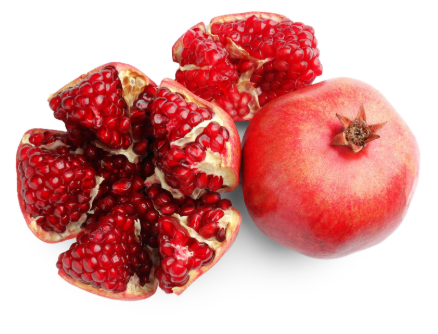
The Pomegranate: A Fruit of History, Health, and Symbolism
The pomegranate (Punica granatum) is a fruit-bearing deciduous shrub or small tree, famed for its brilliant red rind and the hundreds of juicy, jewel-like seeds (arils) contained within. It is one of the oldest cultivated fruits in the world, renowned for centuries not only for its distinct flavor but also for its profound symbolic and medicinal properties.
🌍 Origin and History
The pomegranate is native to the region extending from modern-day Iran to the Himalayas in northern India.
Ancient Cultivation: Archaeological evidence suggests its cultivation dates back over 5,000 years, with mentions in ancient texts, including the Babylonian Talmud, the Bible, and the Quran. It was grown extensively in ancient Persia, Babylon, and Egypt.
Symbolism: Throughout history, the fruit has been a powerful symbol. Its many seeds have led it to be associated with fertility, abundance, prosperity, and eternal life in various cultures and religions.
Etymology: The name "pomegranate" comes from the Latin pōmum grānātum, meaning "seeded apple." Interestingly, the handheld explosive weapon, the grenade, was named after the pomegranate because of the similar shape of early fragmentation bombs, which were filled with "grains" (granules) of gunpowder.
🧬 Structure and Nutritional Profile
The pomegranate is technically classified as a balausta, a type of large berry with a thick, leathery pericarp (rind).
Key Components
Exocarp/Pericarp (Rind): The tough, non-edible outer skin, typically red or yellowish-brown.
Mesocarp (Membrane): The spongy, bitter white pith that separates the internal chambers.
Arils: The edible portion. These are the small, transparent, fleshy seed coverings (sarcotesta) filled with sweet-tart juice, each enclosing a tiny seed.
Nutritional Highlights
The pomegranate is often labeled a "superfood" due to its rich content of vitamins, fiber, and potent antioxidants. One cup of arils provides a good source of:
Vitamin C: Important for immune function and collagen production.
Vitamin K: Essential for blood clotting and bone health.
Folate (Vitamin B9): A necessary nutrient, especially during pregnancy.
Fiber: Aids in digestion and supports a healthy gut microbiome.
Potassium: Helps regulate fluid balance and blood pressure.
The pomegranate (Punica granatum) is a fruit-bearing deciduous shrub or small tree, famed for its brilliant red rind and the hundreds of juicy, jewel-like seeds (arils) contained within. It is one of the oldest cultivated fruits in the world, renowned for centuries not only for its distinct flavor but also for its profound symbolic and medicinal properties.
🌍 Origin and History
The pomegranate is native to the region extending from modern-day Iran to the Himalayas in northern India.
Ancient Cultivation: Archaeological evidence suggests its cultivation dates back over 5,000 years, with mentions in ancient texts, including the Babylonian Talmud, the Bible, and the Quran. It was grown extensively in ancient Persia, Babylon, and Egypt.
Symbolism: Throughout history, the fruit has been a powerful symbol. Its many seeds have led it to be associated with fertility, abundance, prosperity, and eternal life in various cultures and religions.
Etymology: The name "pomegranate" comes from the Latin pōmum grānātum, meaning "seeded apple." Interestingly, the handheld explosive weapon, the grenade, was named after the pomegranate because of the similar shape of early fragmentation bombs, which were filled with "grains" (granules) of gunpowder.
🧬 Structure and Nutritional Profile
The pomegranate is technically classified as a balausta, a type of large berry with a thick, leathery pericarp (rind).
Key Components
Exocarp/Pericarp (Rind): The tough, non-edible outer skin, typically red or yellowish-brown.
Mesocarp (Membrane): The spongy, bitter white pith that separates the internal chambers.
Arils: The edible portion. These are the small, transparent, fleshy seed coverings (sarcotesta) filled with sweet-tart juice, each enclosing a tiny seed.
Nutritional Highlights
The pomegranate is often labeled a "superfood" due to its rich content of vitamins, fiber, and potent antioxidants. One cup of arils provides a good source of:
Vitamin C: Important for immune function and collagen production.
Vitamin K: Essential for blood clotting and bone health.
Folate (Vitamin B9): A necessary nutrient, especially during pregnancy.
Fiber: Aids in digestion and supports a healthy gut microbiome.
Potassium: Helps regulate fluid balance and blood pressure.