Exploring Ethereum Classic (ETC): The Resilient Blockchain
от laatif ·
Опубликовано: 2025-11-12 00:00:14
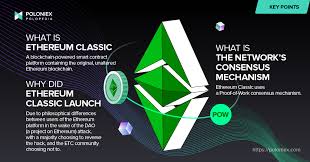
In the ever-evolving world of cryptocurrencies, Ethereum Classic (ETC) stands out as a fascinating and resilient blockchain with a unique history and dedicated community. If you’re curious about what sets ETC apart and why it continues to thrive, this blog will guide you through its origins, features, and future potential.
What is Ethereum Classic?
Ethereum Classic is a decentralized, open-source blockchain platform that enables smart contracts and decentralized applications (dApps). It originated from the original Ethereum blockchain but split due to a fundamental disagreement in the community about how to handle a major hack.
The Historic Split: Ethereum vs. Ethereum Classic
In 2016, a significant event called the DAO hack shook the Ethereum community. The Decentralized Autonomous Organization (DAO), a smart contract-based venture capital fund, was exploited, resulting in the loss of millions of dollars worth of Ether. To mitigate the damage, most of the Ethereum community agreed to a hard fork—a change in the code that essentially rewrote history to recover the stolen funds.
However, a portion of the community opposed this decision on the grounds of immutability—the principle that blockchain transactions should be irreversible. This group continued to support the original chain, which became known as Ethereum Classic (ETC), while the new chain retained the Ethereum (ETH) name.
Key Features of Ethereum Classic
Immutability: ETC is committed to the principle that "code is law," meaning once a transaction is recorded on the blockchain, it cannot be altered or reversed. This appeals to purists who believe in the sanctity of blockchain immutability.
Smart Contract Functionality: Like Ethereum, ETC supports smart contracts, enabling developers to create decentralized applications for various use cases, including finance, gaming, and supply chain management.
Security Enhancements: Over time, the ETC community has implemented improvements to enhance the network’s security and scalability, such as the introduction of the Atlantis and Agharta network upgrades.
Decentralized Governance: ETC embraces a decentralized governance model where decisions are made through community consensus without a central authority.
Why Choose Ethereum Classic?
Philosophical Commitment: For users and developers who prioritize blockchain immutability and decentralization, ETC represents a steadfast choice.
Cost-Effective Transactions: ETC often has lower transaction fees compared to ETH, making it attractive for certain applications.
Growing Ecosystem: Despite being smaller than Ethereum, ETC’s ecosystem is steadily growing with new projects and collaborations.
Challenges and Considerations
Ethereum Classic faces challenges such as lower adoption compared to Ethereum, occasional security concerns including 51% attacks in the past, and competition from newer blockchains. However, its community remains dedicated to addressing these issues through continuous development and innovation.
The Future of Ethereum Classic
Looking ahead, Ethereum Classic aims to strengthen its network security, improve scalability, and expand its user base while staying true to its core values of immutability and decentralization. As blockchain technology matures, ETC’s unique position could attract users and developers who seek a blockchain with a strong philosophical foundation.
Conclusion
Ethereum Classic is more than just a blockchain; it’s a statement about the principles of decentralization and the integrity of digital transactions. Whether you’re a developer, investor, or blockchain enthusiast, understanding ETC’s history and features provides valuable insight into the diverse landscape of cryptocurrency technologies.
What is Ethereum Classic?
Ethereum Classic is a decentralized, open-source blockchain platform that enables smart contracts and decentralized applications (dApps). It originated from the original Ethereum blockchain but split due to a fundamental disagreement in the community about how to handle a major hack.
The Historic Split: Ethereum vs. Ethereum Classic
In 2016, a significant event called the DAO hack shook the Ethereum community. The Decentralized Autonomous Organization (DAO), a smart contract-based venture capital fund, was exploited, resulting in the loss of millions of dollars worth of Ether. To mitigate the damage, most of the Ethereum community agreed to a hard fork—a change in the code that essentially rewrote history to recover the stolen funds.
However, a portion of the community opposed this decision on the grounds of immutability—the principle that blockchain transactions should be irreversible. This group continued to support the original chain, which became known as Ethereum Classic (ETC), while the new chain retained the Ethereum (ETH) name.
Key Features of Ethereum Classic
Immutability: ETC is committed to the principle that "code is law," meaning once a transaction is recorded on the blockchain, it cannot be altered or reversed. This appeals to purists who believe in the sanctity of blockchain immutability.
Smart Contract Functionality: Like Ethereum, ETC supports smart contracts, enabling developers to create decentralized applications for various use cases, including finance, gaming, and supply chain management.
Security Enhancements: Over time, the ETC community has implemented improvements to enhance the network’s security and scalability, such as the introduction of the Atlantis and Agharta network upgrades.
Decentralized Governance: ETC embraces a decentralized governance model where decisions are made through community consensus without a central authority.
Why Choose Ethereum Classic?
Philosophical Commitment: For users and developers who prioritize blockchain immutability and decentralization, ETC represents a steadfast choice.
Cost-Effective Transactions: ETC often has lower transaction fees compared to ETH, making it attractive for certain applications.
Growing Ecosystem: Despite being smaller than Ethereum, ETC’s ecosystem is steadily growing with new projects and collaborations.
Challenges and Considerations
Ethereum Classic faces challenges such as lower adoption compared to Ethereum, occasional security concerns including 51% attacks in the past, and competition from newer blockchains. However, its community remains dedicated to addressing these issues through continuous development and innovation.
The Future of Ethereum Classic
Looking ahead, Ethereum Classic aims to strengthen its network security, improve scalability, and expand its user base while staying true to its core values of immutability and decentralization. As blockchain technology matures, ETC’s unique position could attract users and developers who seek a blockchain with a strong philosophical foundation.
Conclusion
Ethereum Classic is more than just a blockchain; it’s a statement about the principles of decentralization and the integrity of digital transactions. Whether you’re a developer, investor, or blockchain enthusiast, understanding ETC’s history and features provides valuable insight into the diverse landscape of cryptocurrency technologies.